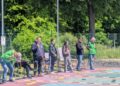




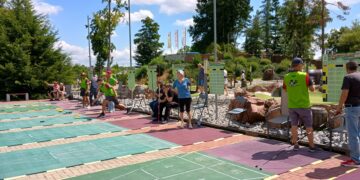
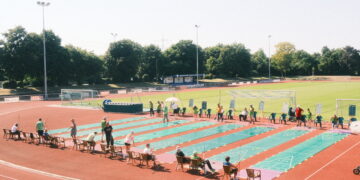

Am vergangenen Wochenende fanden sich Teams aus 4 verschiedenen Standorten der German Shuffleboard Association e.V. (GSA) in Ludwigshafen ein, um die diesjährige Team Trophy auszuspielen.
Die gastgebenden Shuffler, allesamt Mitglieder des TV Rheingönheim, hatten ihre Halle wie immer hervorragend präpariert und auch die Verpflegung für Spieler und Zuschauer durch ein Helferteam bestens organisiert.
So konnten sich die insgesamt 24 Teilnehmer ganz auf das Turnier konzentrieren. Jeweils 6 Spieler bildeten ein Team und wurden anhand der aktuellen Rangliste gesetzt. So spielten jeweils die besten 2 Spieler eines Teams gegen die Besten der anderen Teams. Gleiches galt für die an Nummer 3 und 4 bzw. Nummer 5 und 6 gesetzten Spieler, so dass am Ende jeder Teilnehmer 6 Spiele zu absolvieren hatte.
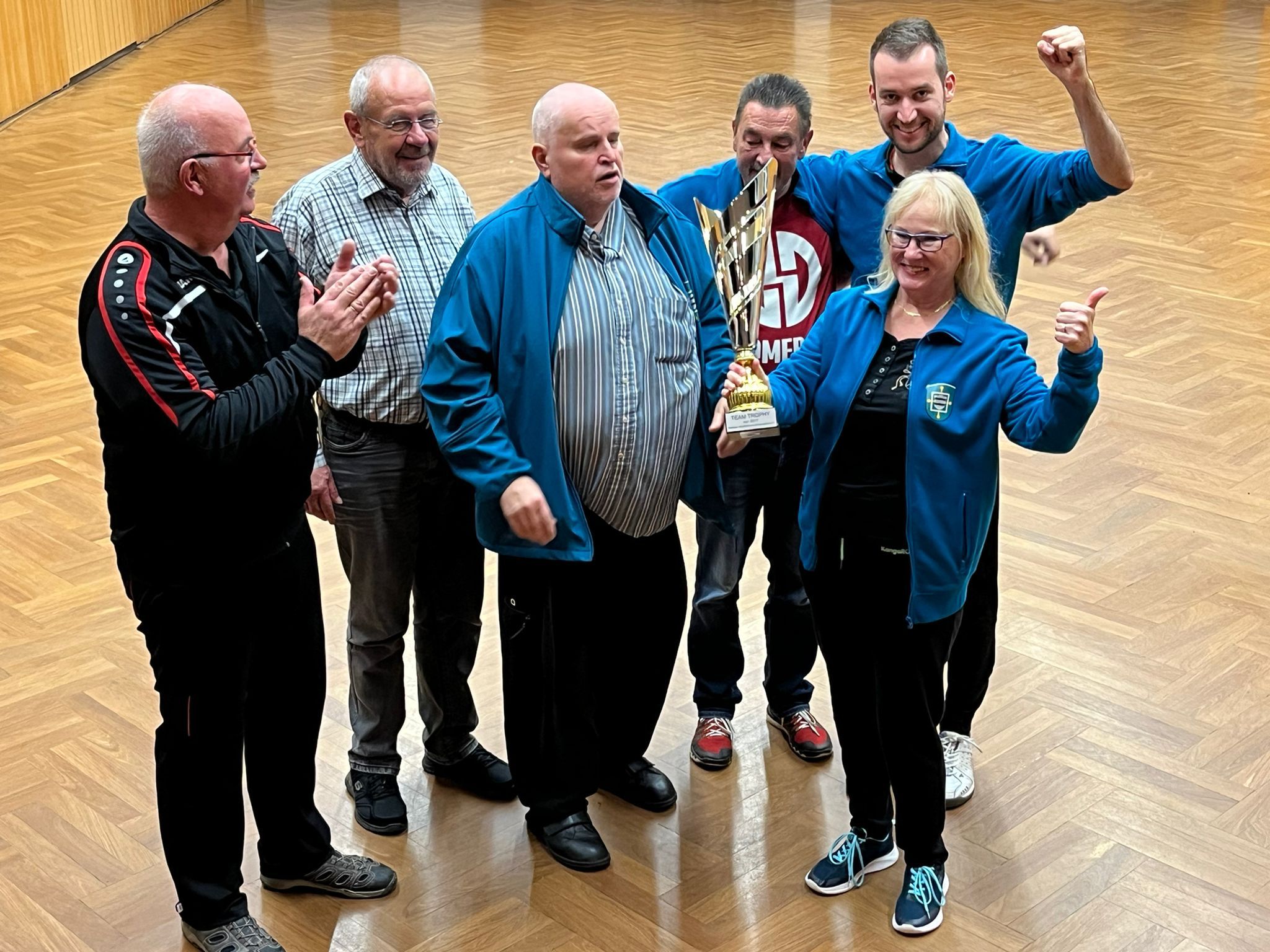
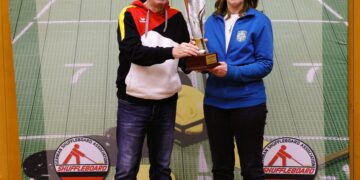
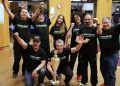
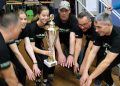
Das Team aus Langenselbold konnte in diesem Jahr erstmals die Team Trophy und damit den Siegerpokal gewinnen. In der Besetzung Bernd Uhl, Torben Hußmann, Steffen Simon, Jogi Engler sowie Gerd und Renate Hirning sammelten sie insgesamt 24 Punkte ein. Davon entfielen jeweils 5 Siege auf Bernd Uhl und Torben Hußmann, 4 auf Steffen Simon und Renate Hirning und 3 auf Jogi Engler und Gerd Hirning.
Zweiter wurde das Team aus Meerbusch, das mit Dieter Hußmann (4), Marius Runge (4), Dieter (4) und Irene (3) Hoffmanns, sowie Birgitt Hußmann (3) und Ralf Ries (2,5) vertreten war. Sie kamen somit in Addition auf insgesamt auf 20,5 Siegpunkte.
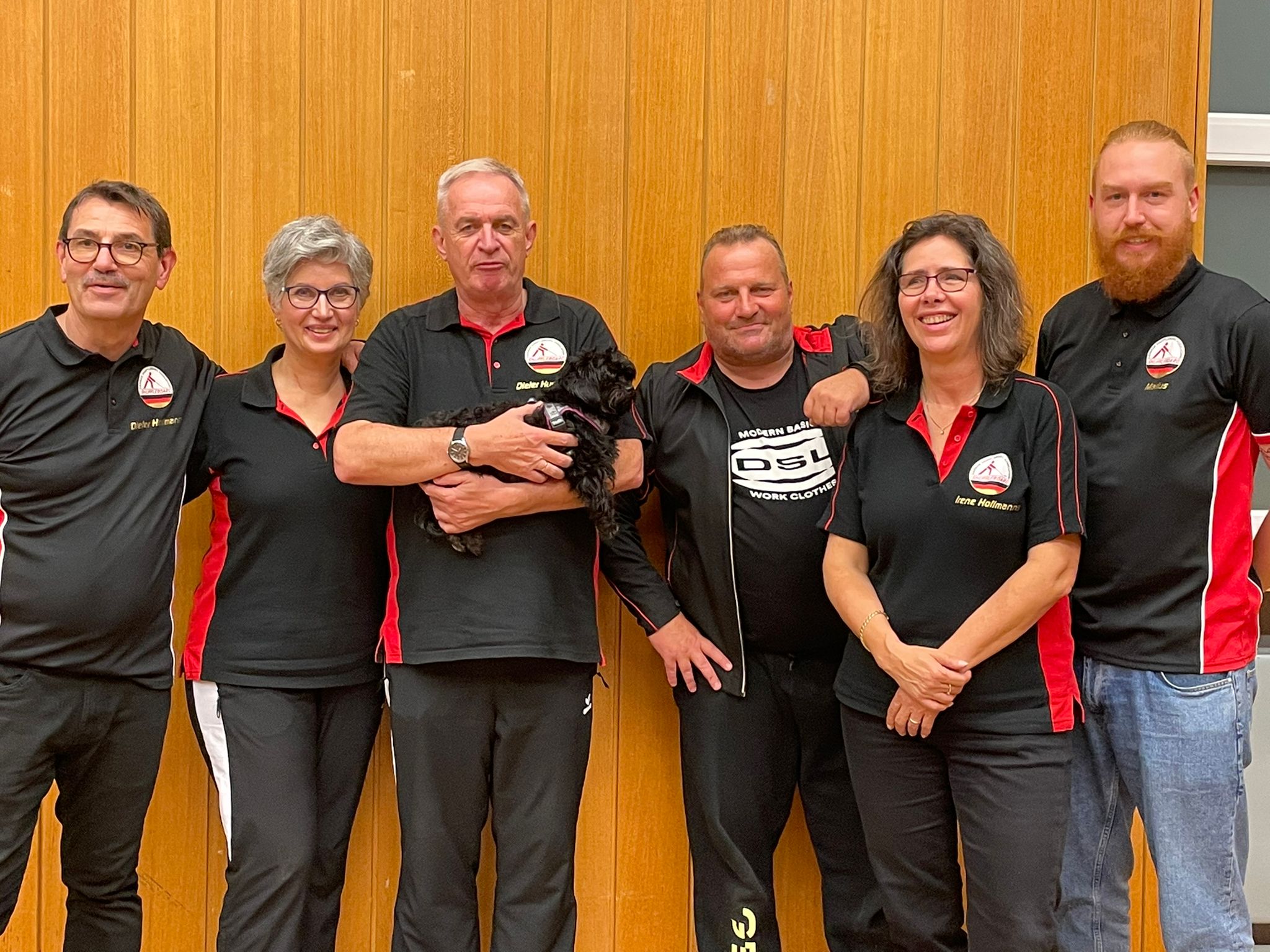
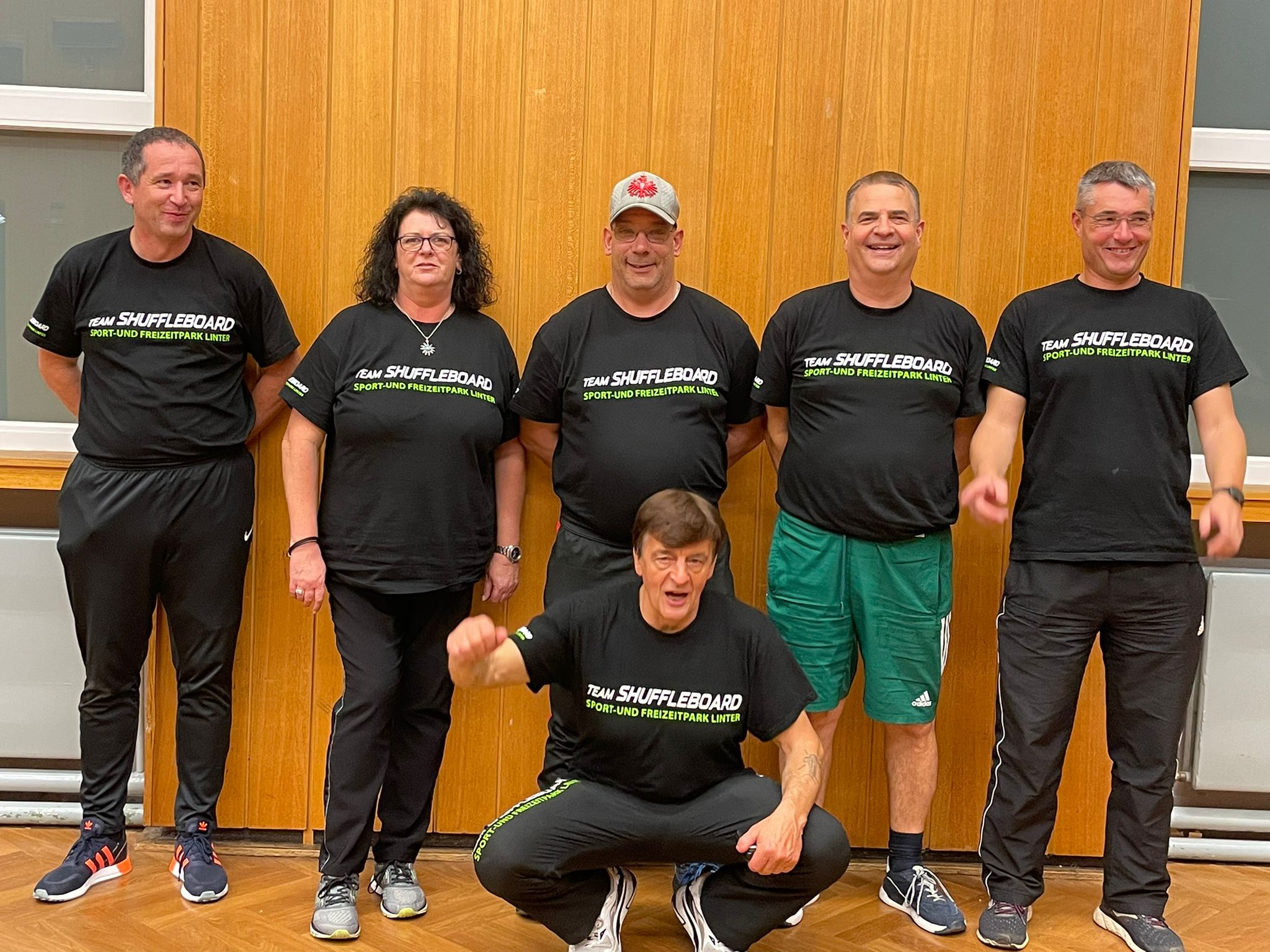
Dritter wurde das in den Vorjahren sieggewohnte Limburger Team, das diesmal von Stefan Stadtmüller (3), Hubert Fluck (2), Gerald Paar (4), Sascha Blättel (3), Petra Lenert (2) und Michael Skeide (5) gebildet wurde. Für Limburg standen am Ende 19 Siegpunkte zu Buche.
Als gute Gastgeber erwiesen sich die Mitglieder von Team Ludwigshafen. Ulrike Brug (1), Werner Fischer (0), Manfred Brug (1), Willi Weigel (2), Klaus (3,5) und Ute (1) Wendel waren dennoch stolz auf das mit 8,5 Punkten bisher beste Ergebnis bei einer Team Trophy. Hervorzuheben bleibt noch die Leistung der beiden „Newbies“ Klaus und Ute Wendel bei ihrer GSA-Turnierpremiere, wobei besonders Klaus mit 3,5 von 6 möglichen Punkten herausragte.
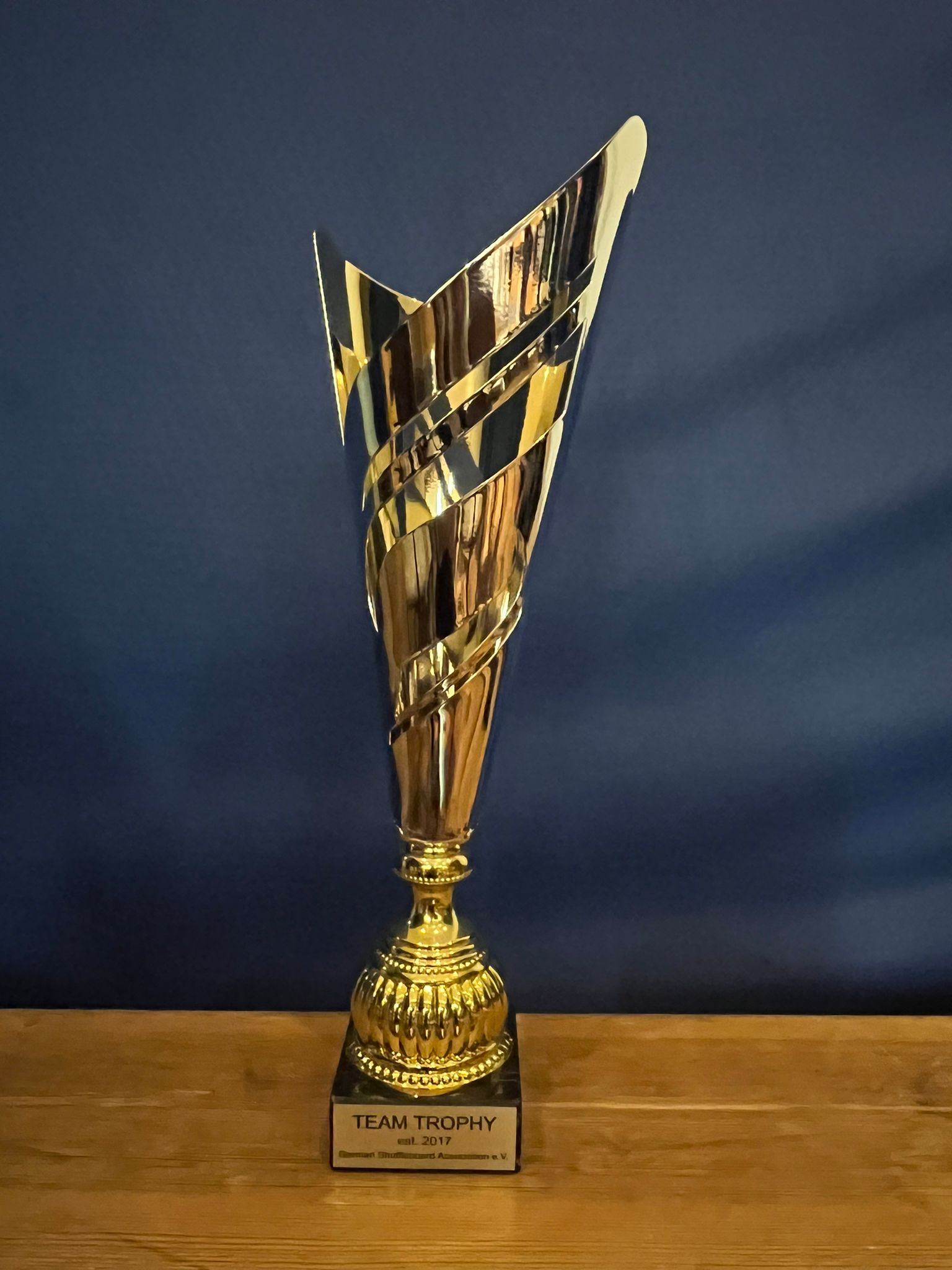
Bevor die Teams sich auf ihre, teilweise recht lange, Heimreise machten, ließen sie die Turniergeschehnisse beim gemeinsamen Abendessen noch einmal Revue passieren.
Als nächstes Turnier steht die Deutsche Meisterschaft 2022 auf dem Programm. Die kann allerdings aus Termingründen erst am 28. Januar 2023 in der Bulauhalle in Rodenbach (Hessen) stattfinden. Einladungen werden rechtzeitig erfolgen.